春天的精气应肝脏,而肝脏与眼睛的关系最为密切,中医讲:“肝开窍于目。”因此,在春天多注意调理肝脏,就能起到明目的作用。很多方法可以在春季养 肝明目,枸杞当归粥就是饮食调护的一个方法。具体制作方法如下:
用当归15克,枸杞10克,白米适量。将当归放入带盖的容器内,注入热水、使之膨胀,然后取出切成薄片。共同放入慢炖锅中,煮至烂熟。
当归性味甘、辛温,归肝、心、脾经,有补血活血的作用。枸杞的性味甘平,能够滋补肝肾、益精明目,还能增强人们的免疫力。二者与白米共煮为粥,不仅 香浓味美,而且营养丰富。
Tuesday, April 5, 2011

Guide to Slow Cooking Chicken & Poultry

Guide to Slow Cooking Chicken & Poultry
Poultry is one of the most inclusive culinary terms. It not only refers to staple meats, like turkey and chicken, but to all other forms of fowl, including duck and goose. The great thing about poultry meat is that it is widely available, inexpensive, versatile, and especially lean and healthy. This makes it a great choice for slow cooked meals.
Cooking with poultry has always been popular, but it is gaining even more acclaim now due to the availability of healthier poultry options. In fact, some of the best food you can put into your body is poultry that is free-range, corn fed, and organic. These birds are allowed to grow naturally in open-air conditions. They are not given any artificial growth accelerators or fed unsanitary food products. This ultimately gives them a fuller flavor and more nutritional value.
Slow Cooking the Whole Chicken
Whole poultry is great for pot roasting in a slow cooker. Small birds can easily fit in an average size appliance and be easily prepared with minimal preparation. Preparing whole birds this way leads to tender, moist results and a delicious healthy meal. In general, a one to two pound bird will serve two to three people. It is important to note, though, that whole duck should not be prepared in a slow cooker. Even though a small duck may fit in the pot, the bird will not cook well due to its shape and fat content. Instead, use the slow cooker for smaller cuts, like duck breast. Similarly, geese are rather large, fatty birds and are best prepared in an oven instead of a slow cooker.
Whole poultry cut prior to cooking to be poached, roasted, stewed, or braised in the slow cooker. This is a great option for larger roasting hens and other poultry too large to cook as a single piece. Poultry still on the bone is also great for preparing fresh soups. When using whole pieces, you do not need to use pre-made broth. Rather, you can use the bird to make your own using water, herbs, and vegetables. Whole legs from large birds, specifically turkey’s, are also great for pot roasting or braising. These joints are generally large enough to feed several people and you can save the rest of the bird for other dishes.
Guide to Slow Cooking Vegetables

Slow cooking vegetables is a great way to bring out their natural flavor. It ultimately leaves you with tender, juicy produce that is neither overcooked nor tasteless. Vegetables are a vital component of virtually all slow cooker recipes, but are especially important in soups and stews. You can even create delicious vegetarian dishes using your slow cooker.
Using Onions
Perhaps the most commonly used vegetable for slow cooking is the onion. Onions respond well to long cooking times and can add a punch of flavor to any dish. There are several varieties of onions, and each has its own unique taste. The mildest onions are Spanish or Bermuda, while white onions have a much stronger flavor. Other members of the onion family include leeks, chives, shallots, and garlic. All of these are great additions slow cooked meals. When using any of these ingredients, though, it is important to remember that slow cooking will decrease the pungency of the flavor. So, you may need to add more for a more vibrant dish, especially if you are planning on heating for more than four hours.
Adding Mushrooms
Another great way to add flavor to a slow cooker meal is to use mushrooms. There are many varieties of these vegetables and each has its own special flavor. Button mushrooms are white with a subtle, mild flavor. In contrast, field and shitake mushrooms have a very intense flavor. They will add pungency to stews and soups. In the middle of the mushroom family are chestnut and portabella mushrooms. These have a moderate flavor and firm texture. In fact, portabellas are so meaty they are often used as a meat replacement in vegetarian meals. All mushrooms are loaded with liquid, and will help your broth take on a full, dark color.
Root Vegetables
Root vegetables are a hearty addition to soups, stews, and pot roasts. This group of produce includes carrots, rutabagas, turnips, potatoes, and parsnip. Due to their dense nature, these vegetables will take the longest amount of time to cook. This makes them ideal for the slow cooker. It is usually helpful to cut root vegetables into small pieces prior to adding them to the pot. This will help them cook more evenly and become more tender.
Vegetable and Seasons
In autumn, pumpkins and other squash vegetables are especially popular in a variety of dishes. However, variations of these vegetables are available all year long. When prepared in the slow cooker, such flavorful, firm selections are able to retain their taste and texture. Additionally, they do not need to be cooked in a lot of liquid, as other slow cooked ingredients do. These vegetables produce their own moisture when heated, which makes them ideal for moisture-retaining slow cooking. Autumn and winter varieties tend to be sweeter than their summer cousins. However, both types have a delicious flavor and similar texture when prepared.
Other Vegetables
There are still hundreds of unnamed vegetables that are great for slow cooking. However, we will only discuss a few of the more common ones here. Tomatoes are great as they can be used whole or turned into sauces or broths for other slow-cooked dishes. Broccoli and cauliflower are also great for slow cooking as this method helps transform these hard vegetables into tender pieces. Peppers are also common in soups and stews. However, green peppers may become bitter when cooked for a long period. Therefore, these should be cut into small pieces and added near the end of the cooking time. Leafy vegetables, such as spinach and cabbage, should also be added later in the heating process. This will help them retain their flavor.
How about Frozen Vegetables?
Finally, if you do not have fresh vegetables on hand for a dish, you can always substitute frozen or canned varieties. However, keep in mind that these are generally pre-cooked to some extent and will not require as long a heating period. Canned vegetables should also be drained prior to cooking as they can add unnecessary liquid to your dish. You may also want to rinse these products to remove some of the salt and preservatives used when canning. Frozen vegetables take somewhat longer to heat than canned varieties. However, they should always be slightly defrosted before adding to the slow cooker.
7. Top Facts about Slow Cookers
Top Facts about Slow Cookers
They are economical, as they generally use less energy to cook the same amount of food as other methods. The heat produced is also much less, which is great in summer.
You can use a slow cooker to prepare a really healthy tasty meal, as they don't usually require oil, and can be made up mostly of fresh veggies- with lean meat added if desired- with herbs and spices to create a wide variety of flavours.
Pre-plan for a busy schedule by chopping up the ingredients the night before and storing directly in the stoneware bowl, in the fridge, ready to cook the next day.
The extreme slow cooking results in tougher (cheaper) meat cuts ending up lovely and tender.
The low cooking temperature allows you more freedom in when you eat, as it doesn't tend to overcook or burn the meal, so it can stay hot until your family or guests are ready to eat.
All the delicious juices remain in the dish. Healthy vegetable water isn't lost in draining, as in when cooked in a saucepan.
Unless instructed to do so by a recipe, don't lift the lid of your slow cooker as they take a while to reach the proper temperature, and this is lost when the lid is removed. Also, a lot of necessary moisture can also be lost.
You should fill your slow cooker about one third to half full for optimum cooking.
A lot of root vegetables are slower to cook than meat, so should be placed in the bottom of the slow cooker. Quicker cooking ingredients, such as seafood, frozen veggies, quick cook veggies such as broccoli and dairy, should always be on top, and usually only added for the last half hour or so.
Try to cut your ingredients in similar size pieces- or allow for size variation depending on required cooking time of each ingredient- so that they will cook in the same timespan.
Meats are often better browned quickly in a frypan first, especially if you want the browned appearance in your meal.
Begin your cooking on a high heat, to get the slow cooker up to temperature (which is important especially if meat is being cooked) and then reduce heat for the remainder of the time.
Never pour cold water straight into a hot slow cooker bowl to clean as it may crack. Add warm water or allow to cool first.
They are economical, as they generally use less energy to cook the same amount of food as other methods. The heat produced is also much less, which is great in summer.
You can use a slow cooker to prepare a really healthy tasty meal, as they don't usually require oil, and can be made up mostly of fresh veggies- with lean meat added if desired- with herbs and spices to create a wide variety of flavours.
Pre-plan for a busy schedule by chopping up the ingredients the night before and storing directly in the stoneware bowl, in the fridge, ready to cook the next day.
The extreme slow cooking results in tougher (cheaper) meat cuts ending up lovely and tender.
The low cooking temperature allows you more freedom in when you eat, as it doesn't tend to overcook or burn the meal, so it can stay hot until your family or guests are ready to eat.
All the delicious juices remain in the dish. Healthy vegetable water isn't lost in draining, as in when cooked in a saucepan.
Unless instructed to do so by a recipe, don't lift the lid of your slow cooker as they take a while to reach the proper temperature, and this is lost when the lid is removed. Also, a lot of necessary moisture can also be lost.
You should fill your slow cooker about one third to half full for optimum cooking.
A lot of root vegetables are slower to cook than meat, so should be placed in the bottom of the slow cooker. Quicker cooking ingredients, such as seafood, frozen veggies, quick cook veggies such as broccoli and dairy, should always be on top, and usually only added for the last half hour or so.
Try to cut your ingredients in similar size pieces- or allow for size variation depending on required cooking time of each ingredient- so that they will cook in the same timespan.
Meats are often better browned quickly in a frypan first, especially if you want the browned appearance in your meal.
Begin your cooking on a high heat, to get the slow cooker up to temperature (which is important especially if meat is being cooked) and then reduce heat for the remainder of the time.
Never pour cold water straight into a hot slow cooker bowl to clean as it may crack. Add warm water or allow to cool first.
6. Adapting Recipes for Slow Cookers
Adapting Recipes for Slow Cookers
Many websites and recipe books provide great ideas for what foods to make in your slow cooker. However, you can also adapt some of your favorite recipes to your new appliance. The biggest change you will want to make to an existing recipe is the amount of liquid used. Since slow cookers retain liquid better than an open pot, you can usually reduce the amount called for by up to half. Also, the cooking time will obviously be longer when using a slow cooker. The best way to know how long a dish will take is to find a similar slow cooker version of your recipe.
Take it Slow
Slow cookers are, naturally, slow. However, you can try to lessen a dish’s cooking time if you are in a bind. A general rule of thumb is that high heat settings cook food roughly twice as quickly as low heat settings. For dishes like soups and stews, the higher heat should not cause too much harm to your recipe. However, you will want to be careful when trying to speed up desserts or larger meat dishes, like roasts. Another option is to find a recipe that lets you do part of the cooking on the stove or in the oven prior to adding ingredients to the crock pot. This can help you create a tasty meal in less time.
Many websites and recipe books provide great ideas for what foods to make in your slow cooker. However, you can also adapt some of your favorite recipes to your new appliance. The biggest change you will want to make to an existing recipe is the amount of liquid used. Since slow cookers retain liquid better than an open pot, you can usually reduce the amount called for by up to half. Also, the cooking time will obviously be longer when using a slow cooker. The best way to know how long a dish will take is to find a similar slow cooker version of your recipe.
Take it Slow
Slow cookers are, naturally, slow. However, you can try to lessen a dish’s cooking time if you are in a bind. A general rule of thumb is that high heat settings cook food roughly twice as quickly as low heat settings. For dishes like soups and stews, the higher heat should not cause too much harm to your recipe. However, you will want to be careful when trying to speed up desserts or larger meat dishes, like roasts. Another option is to find a recipe that lets you do part of the cooking on the stove or in the oven prior to adding ingredients to the crock pot. This can help you create a tasty meal in less time.
5. Seasoning Your Slow Cooking
Seasoning Your Slow Cooking
A successful slow cooked dish will ultimately involve the perfect combination of herbs, spices, and seasonings. When using herbs, it is best to select dried options. These respond better to the long, moist cooking process than their fresh counterparts. Thus, they will impart more flavor into your dish. If you do want to use fresh herbs, you should not add them until the last thirty minutes of cooking. Additionally, not all herbs are equally potent. Therefore, you will want to use certain varieties in larger or smaller amounts than others. As a general rule, spices such as parsley, marjoram, and basil are fairly light, while ginger, rosemary, and sage are stronger. Bay leaves are also a strong herb, and only one to two of these are needed for soups and stews.
Using Spices in Slow Cookers
Spices, like dried herbs, should be added at the beginning of cooking. However, some varieties, particularly chili spices, may become bitter if cooked too long. Therefore, these should be added roughly halfway through cooking. In general, whole spices are better suited to slow cooking than ground varieties. This is because the whole spice will have time to cook and release its flavor when used in the slow cooker. In contrast, ground spices are often preferred in other types of cooking where a long heating time is not viable. Some popular whole spices include cumin, coriander, peppercorns, and cinnamon sticks. To save time, you can simplify your dish by adding a pre-selected spice mix. Look for varieties specifically suited for slow cooking to get the best flavor.
Prepared Sauces in your Recipes
Prepared sauces are another way to add flavor to your slow cooked meals. For beefy stews, Worcestershire sauce and ketchup are popular flavorings. Meanwhile, soy sauce or hoisin sauce are great for Asian dishes. There are also fish, oyster, and anchovy sauces commonly used when preparing seafood. A sub-category of seasoning sauces includes pastes with strong flavors. Curry paste is used in many Middle Eastern, Indian, and Thai dishes. You can also find adobo pastes used in Mexican cooking. Be aware of how much of these pastes you add to your dishes. They can often have strong, spicy flavors, which will be enhanced by the slow cooking process.
Alcohol in Slow Cooker Recipes
Alcohol can also be used to flavor slow cooked dishes. Since alcohol is fairly common in cooking, you may already be familiar with its ability to add flavor to many dishes. However, using alcohol in your slow cooker is somewhat different. Since less moisture is loss during slow cooking, less alcohol will evaporate from your dish. Therefore, you will not need to add as much alcohol to get the flavor you desire. As for the types of alcohol used, this depends on the dish you are preparing. When creating marinades for meat, beer, cider, and wine are all great options. Beer is also popular in some stews, and wine is used in a wide array of soups, sauces, and roasts. Meanwhile, cider can sometimes be added to desserts, as can some more potent drinks like rum or sweet liqueurs.
Extracts to Enhance your Recipes
A final category of seasonings are extracts. These are generally sweet flavors that are added in very small amounts to meat dishes or desserts. Perhaps the most popular extracts are those from almond and vanilla. These are great for desserts and also preparing breakfast oats. Lighter extracts include orange flower and rose water. These have a delicate flavor that can enhance dishes when added near the end of cooking. When using extracts, be sure to only add a few drops. The flavor will grow exponentially during heating and you do not want to overdo it.
A successful slow cooked dish will ultimately involve the perfect combination of herbs, spices, and seasonings. When using herbs, it is best to select dried options. These respond better to the long, moist cooking process than their fresh counterparts. Thus, they will impart more flavor into your dish. If you do want to use fresh herbs, you should not add them until the last thirty minutes of cooking. Additionally, not all herbs are equally potent. Therefore, you will want to use certain varieties in larger or smaller amounts than others. As a general rule, spices such as parsley, marjoram, and basil are fairly light, while ginger, rosemary, and sage are stronger. Bay leaves are also a strong herb, and only one to two of these are needed for soups and stews.
Using Spices in Slow Cookers
Spices, like dried herbs, should be added at the beginning of cooking. However, some varieties, particularly chili spices, may become bitter if cooked too long. Therefore, these should be added roughly halfway through cooking. In general, whole spices are better suited to slow cooking than ground varieties. This is because the whole spice will have time to cook and release its flavor when used in the slow cooker. In contrast, ground spices are often preferred in other types of cooking where a long heating time is not viable. Some popular whole spices include cumin, coriander, peppercorns, and cinnamon sticks. To save time, you can simplify your dish by adding a pre-selected spice mix. Look for varieties specifically suited for slow cooking to get the best flavor.
Prepared Sauces in your Recipes
Prepared sauces are another way to add flavor to your slow cooked meals. For beefy stews, Worcestershire sauce and ketchup are popular flavorings. Meanwhile, soy sauce or hoisin sauce are great for Asian dishes. There are also fish, oyster, and anchovy sauces commonly used when preparing seafood. A sub-category of seasoning sauces includes pastes with strong flavors. Curry paste is used in many Middle Eastern, Indian, and Thai dishes. You can also find adobo pastes used in Mexican cooking. Be aware of how much of these pastes you add to your dishes. They can often have strong, spicy flavors, which will be enhanced by the slow cooking process.
Alcohol in Slow Cooker Recipes
Alcohol can also be used to flavor slow cooked dishes. Since alcohol is fairly common in cooking, you may already be familiar with its ability to add flavor to many dishes. However, using alcohol in your slow cooker is somewhat different. Since less moisture is loss during slow cooking, less alcohol will evaporate from your dish. Therefore, you will not need to add as much alcohol to get the flavor you desire. As for the types of alcohol used, this depends on the dish you are preparing. When creating marinades for meat, beer, cider, and wine are all great options. Beer is also popular in some stews, and wine is used in a wide array of soups, sauces, and roasts. Meanwhile, cider can sometimes be added to desserts, as can some more potent drinks like rum or sweet liqueurs.
Extracts to Enhance your Recipes
A final category of seasonings are extracts. These are generally sweet flavors that are added in very small amounts to meat dishes or desserts. Perhaps the most popular extracts are those from almond and vanilla. These are great for desserts and also preparing breakfast oats. Lighter extracts include orange flower and rose water. These have a delicate flavor that can enhance dishes when added near the end of cooking. When using extracts, be sure to only add a few drops. The flavor will grow exponentially during heating and you do not want to overdo it.
4. General Recipe Tips
General Recipe Tips
Many websites and recipe books provide great ideas for what foods to make in your slow cooker. However, you can also adapt some of your favorite recipes to your new appliance. The biggest change you will want to make to an existing recipe is the amount of liquid used. Since slow cookers retain liquid better than an open pot, you can usually reduce the amount called for by up to half. Also, the cooking time will obviously be longer when using a slow cooker. The best way to know how long a dish will take is to find a similar slow cooker version of your recipe.
Slow Cookers are SLOOOOW
Slow cookers are, naturally, slow. However, you can try to lessen a dish’s cooking time if you are in a bind. A general rule of thumb is that high heat settings cook food roughly twice as quickly as low heat settings. For dishes like soups and stews, the higher heat should not cause too much harm to your recipe. However, you will want to be careful when trying to speed up desserts or larger meat dishes, like roasts. Another option is to find a recipe that lets you do part of the cooking on the stove or in the oven prior to adding ingredients to the crock pot. This can help you create a tasty meal in less time.
Avoid Lifting the Lid
Creating a successful dish with a slow cooker is relatively easy. However, there are a few tips you can follow to ensure high-quality results. First and foremost, avoid lifting the slow cooker’s lid during heating. It may be tempting to smell, stir, or taste your dish, but the lid is what helps keep in moisture and flavor. Also, removing the lid causes considerable heat loss and will extend cooking time.
Many websites and recipe books provide great ideas for what foods to make in your slow cooker. However, you can also adapt some of your favorite recipes to your new appliance. The biggest change you will want to make to an existing recipe is the amount of liquid used. Since slow cookers retain liquid better than an open pot, you can usually reduce the amount called for by up to half. Also, the cooking time will obviously be longer when using a slow cooker. The best way to know how long a dish will take is to find a similar slow cooker version of your recipe.
Slow Cookers are SLOOOOW
Slow cookers are, naturally, slow. However, you can try to lessen a dish’s cooking time if you are in a bind. A general rule of thumb is that high heat settings cook food roughly twice as quickly as low heat settings. For dishes like soups and stews, the higher heat should not cause too much harm to your recipe. However, you will want to be careful when trying to speed up desserts or larger meat dishes, like roasts. Another option is to find a recipe that lets you do part of the cooking on the stove or in the oven prior to adding ingredients to the crock pot. This can help you create a tasty meal in less time.
Avoid Lifting the Lid
Creating a successful dish with a slow cooker is relatively easy. However, there are a few tips you can follow to ensure high-quality results. First and foremost, avoid lifting the slow cooker’s lid during heating. It may be tempting to smell, stir, or taste your dish, but the lid is what helps keep in moisture and flavor. Also, removing the lid causes considerable heat loss and will extend cooking time.
3. The Basics of Slow Cooking
The Basics of Slow Cooking
Useful facts about Slow Cookers
Purchasing & Safety
General Cooking Tips
Specific Cooking Tips
Here are some useful facts and tips about slow cookers:
They are economical, as they generally use less energy to cook the same amount of food as other methods. The heat produced is also much less, which is great in summer.
You can use a slow cooker to prepare a really healthy tasty meal, as they don't usually require oil, and can be made up mostly of fresh veggies- with lean meat added if desired- with herbs and spices to create a wide variety of flavours.
Pre-plan for a busy schedule by chopping up the ingredients the night before and storing directly in the stoneware bowl, in the fridge, ready to cook the next day.
The extreme slow cooking results in tougher (cheaper) meat cuts ending up lovely and tender.
The low cooking temperature allows you more freedom in when you eat, as it doesn't tend to overcook or burn the meal, so it can stay hot until your family or guests are ready to eat.
All the delicious juices remain in the dish. Healthy vegetable water isn't lost in draining, as in when cooked in a saucepan.
Unless instructed to do so by a recipe, don't lift the lid of your slow cooker as they take a while to reach the proper temperature, and this is lost when the lid is removed. Also, a lot of necessary moisture can also be lost.
You should fill your slow cooker about one third to half full for optimum cooking.
A lot of root vegetables are slower to cook than meat, so should be placed in the bottom of the slow cooker. Quicker cooking ingredients, such as seafood, frozen veggies, quick cook veggies such as broccoli and dairy, should always be on top, and usually only added for the last half hour or so.
Try to cut your ingredients in similar size pieces- or allow for size variation depending on required cooking time of each ingredient- so that they will cook in the same timespan.
Meats are often better browned quickly in a frypan first, especially if you want the browned appearance in your meal.
Begin your cooking on a high heat, to get the slow cooker up to temperature (which is important especially if meat is being cooked) and then reduce heat for the remainder of the time.
Never pour cold water straight into a hot slow cooker bowl to clean as it may crack. Add warm water or allow to cool first.
Purchasing and Safety
When purchasing a slow cooker, look for one with a removable liner. They are much easier to clean. If you have a nonremovable liner, however, all is not lost! Line your slow cooker with a cooking bag and you'll have no cleanup at all. Spray the inside of the liner with cooking spray before you fill it to make cleanup easier.
60C(140F) is the temperature the food needs to reach as quickly as possible. If you are at home during the cooking times, test the food temperature after four hours of cooking on LOW - the temp should be at least 60C(140F). If it isn't, there's a problem with your slow cooker and you should get a new one.
For food safety reasons, it's a good idea to cook on HIGH for the first hour to quickly bring the temperature up to 60C(140F). Then turn the dial to LOW and finish cooking.
The LOW setting is about 77C(170F), and the HIGH setting is about 93C(200F). Note that both of these temps are well above the minimum safe temperature of 60C(140F).
Experts recommend you do not put frozen foods in the slow cooker. All foods should be defrosted before cooking so the food temperature can reach 60C(140F) as soon as possible. However, since none of my family members are in a high-risk group, I often cook frozen foods in the slow cooker. The informed choice is up to you.
One hour on HIGH is equal to two hours on LOW.
Remove cooked food from the slow cooker or liner before you refrigerate the cooked food. Because the liner is made of such thick material, the food won't cool down quickly enough to prevent the growth of harmful bacteria.
Slow Cooker General Cooking Tips
Only fill the slow cooker one half to two thirds full. The foods will not cook properly if the appliance is filled to the brim. If the food and liquid level is lower, the foods will cook too quickly.
Foods cooked on the bottom of the slow cooker cook faster and will be moister because they are immersed in the simmering liquid.
Remove skin from poultry, and trim excess fat from meats. Fats will melt with long cooking times, and will add an unpleasant texture to the finished dish. Fatty foods will also cook too quickly.
You can thicken the juices and concentrate flavors by removing the lid and cooking on HIGH for the last half hour of cooking time.
Most meats require 8 hours of cooking on LOW. Use cheaper cuts of meat - not only do you save money, but these meats work better in the slow cooker. Cheaper cuts of meat have less fat, which makes them more suited to slow cooker cooking. Moist, long cooking times result in very tender meats.
Follow the layering instructions carefully. Vegetables do not cook as quickly as meat, so they should be placed in the bottom of the appliance.
Don't lift the lid to stir, especially if you are cooking on the low setting. Each time you lift the lid, enough heat will escape that the cooking time should be extended by 20 minutes to half an hour. To check progress without lifting the lid, spin the cover until the condensation falls off. Then it's easy to see inside.
Specific Cooking Tips
For best results, ground meats must be cooked in a skillet before cooking in the slow cooker.
Seafood should be added during the last hour of cooking time, or it will overcook and have a rubbery texture.
Large pieces of meat can be browned before cooking in the slow cooker, but this step isn't necessary. Browning adds color and helps in flavor development.
Cayenne pepper and tabasco sauce tend to become bitter if cooked for long periods of time. Use small amounts and add toward the end of the cooking time.
Add tender vegetables like tomatoes, mushrooms and courgette during the last 45 minutes of cooking time so they don't overcook.
Dairy products should be added during the last 30 minutes of cooking time, unless the recipes states otherwise.
Liquids do not boil away in the slow cooker, so if you are making a recipe that wasn't specifically developed for the slow cooker, reduce the liquid by ⅓ to ½ unless you are cooking rice or making soup.
Stir in spices for the last hour of cooking. They will lose flavor if cooked with the rest of the ingredients for the long cooking period.
Useful facts about Slow Cookers
Purchasing & Safety
General Cooking Tips
Specific Cooking Tips
Here are some useful facts and tips about slow cookers:
They are economical, as they generally use less energy to cook the same amount of food as other methods. The heat produced is also much less, which is great in summer.
You can use a slow cooker to prepare a really healthy tasty meal, as they don't usually require oil, and can be made up mostly of fresh veggies- with lean meat added if desired- with herbs and spices to create a wide variety of flavours.
Pre-plan for a busy schedule by chopping up the ingredients the night before and storing directly in the stoneware bowl, in the fridge, ready to cook the next day.
The extreme slow cooking results in tougher (cheaper) meat cuts ending up lovely and tender.
The low cooking temperature allows you more freedom in when you eat, as it doesn't tend to overcook or burn the meal, so it can stay hot until your family or guests are ready to eat.
All the delicious juices remain in the dish. Healthy vegetable water isn't lost in draining, as in when cooked in a saucepan.
Unless instructed to do so by a recipe, don't lift the lid of your slow cooker as they take a while to reach the proper temperature, and this is lost when the lid is removed. Also, a lot of necessary moisture can also be lost.
You should fill your slow cooker about one third to half full for optimum cooking.
A lot of root vegetables are slower to cook than meat, so should be placed in the bottom of the slow cooker. Quicker cooking ingredients, such as seafood, frozen veggies, quick cook veggies such as broccoli and dairy, should always be on top, and usually only added for the last half hour or so.
Try to cut your ingredients in similar size pieces- or allow for size variation depending on required cooking time of each ingredient- so that they will cook in the same timespan.
Meats are often better browned quickly in a frypan first, especially if you want the browned appearance in your meal.
Begin your cooking on a high heat, to get the slow cooker up to temperature (which is important especially if meat is being cooked) and then reduce heat for the remainder of the time.
Never pour cold water straight into a hot slow cooker bowl to clean as it may crack. Add warm water or allow to cool first.
Purchasing and Safety
When purchasing a slow cooker, look for one with a removable liner. They are much easier to clean. If you have a nonremovable liner, however, all is not lost! Line your slow cooker with a cooking bag and you'll have no cleanup at all. Spray the inside of the liner with cooking spray before you fill it to make cleanup easier.
60C(140F) is the temperature the food needs to reach as quickly as possible. If you are at home during the cooking times, test the food temperature after four hours of cooking on LOW - the temp should be at least 60C(140F). If it isn't, there's a problem with your slow cooker and you should get a new one.
For food safety reasons, it's a good idea to cook on HIGH for the first hour to quickly bring the temperature up to 60C(140F). Then turn the dial to LOW and finish cooking.
The LOW setting is about 77C(170F), and the HIGH setting is about 93C(200F). Note that both of these temps are well above the minimum safe temperature of 60C(140F).
Experts recommend you do not put frozen foods in the slow cooker. All foods should be defrosted before cooking so the food temperature can reach 60C(140F) as soon as possible. However, since none of my family members are in a high-risk group, I often cook frozen foods in the slow cooker. The informed choice is up to you.
One hour on HIGH is equal to two hours on LOW.
Remove cooked food from the slow cooker or liner before you refrigerate the cooked food. Because the liner is made of such thick material, the food won't cool down quickly enough to prevent the growth of harmful bacteria.
Slow Cooker General Cooking Tips
Only fill the slow cooker one half to two thirds full. The foods will not cook properly if the appliance is filled to the brim. If the food and liquid level is lower, the foods will cook too quickly.
Foods cooked on the bottom of the slow cooker cook faster and will be moister because they are immersed in the simmering liquid.
Remove skin from poultry, and trim excess fat from meats. Fats will melt with long cooking times, and will add an unpleasant texture to the finished dish. Fatty foods will also cook too quickly.
You can thicken the juices and concentrate flavors by removing the lid and cooking on HIGH for the last half hour of cooking time.
Most meats require 8 hours of cooking on LOW. Use cheaper cuts of meat - not only do you save money, but these meats work better in the slow cooker. Cheaper cuts of meat have less fat, which makes them more suited to slow cooker cooking. Moist, long cooking times result in very tender meats.
Follow the layering instructions carefully. Vegetables do not cook as quickly as meat, so they should be placed in the bottom of the appliance.
Don't lift the lid to stir, especially if you are cooking on the low setting. Each time you lift the lid, enough heat will escape that the cooking time should be extended by 20 minutes to half an hour. To check progress without lifting the lid, spin the cover until the condensation falls off. Then it's easy to see inside.
Specific Cooking Tips
For best results, ground meats must be cooked in a skillet before cooking in the slow cooker.
Seafood should be added during the last hour of cooking time, or it will overcook and have a rubbery texture.
Large pieces of meat can be browned before cooking in the slow cooker, but this step isn't necessary. Browning adds color and helps in flavor development.
Cayenne pepper and tabasco sauce tend to become bitter if cooked for long periods of time. Use small amounts and add toward the end of the cooking time.
Add tender vegetables like tomatoes, mushrooms and courgette during the last 45 minutes of cooking time so they don't overcook.
Dairy products should be added during the last 30 minutes of cooking time, unless the recipes states otherwise.
Liquids do not boil away in the slow cooker, so if you are making a recipe that wasn't specifically developed for the slow cooker, reduce the liquid by ⅓ to ½ unless you are cooking rice or making soup.
Stir in spices for the last hour of cooking. They will lose flavor if cooked with the rest of the ingredients for the long cooking period.
2. What Can You Do with a Slow Cooker?
Slow cookers are electrically heated devices that can be used to cook a variety of foods over an extended period. This not only leads to juicer, more flavorful dishes, but also helps you save time. There are countless recipes available for cooking with slow cookers. Most of these focus on meat dishes like stews and soups. However, there is actually a wide array of foods that can be easily prepared in a slow cooker.
One of the most popular ways of using a slow cooker is to prepare tough cuts of meat. These cuts are generally cheaper to buy because of the difficulty of preparing them. However, with a slow cooker, the meat is tenderized by the extended heating process. This makes them tastier and easier to chew. Some of the best, budget friendly, cuts of meat to use with a slow cooker are chuck steak, lamb shanks, pork shoulder, and skirt steak.
In addition to the meats mentioned above, poultry is a very popular option for slow cooking. You can use virtually every part of a chicken or turkey for slow cooking. However, pieces still attached to the bone work best, especially for broth-based dishes. So, choosing drumsticks or thighs are a great choice for a slow cooker recipe.
Whatever type of meat you choose, you will always want to cook it in some sort of liquid to prevent drying. Your best options for this are water, stock, broth, or cooking wine. To add flavor, various herbs and spices can be used. Dried or fresh options work great and their flavors will truly come out over the long cooking process
Aside from meats, other additions can be put in a slow cooker to complete a main course in a single pot. Vegetables are the most obvious option and any variety may be used. You can also add grains to your meal such as pasta or rice. However, recipes incorporating these ingredients should include modified temperatures and cook times to accommodate the grains.
Dinner is not the only meal you can prepare in a slow cooker. In fact, there are a number of excellent breakfast choices that can be expertly prepared using this appliance. The most common slow cooked breakfast is oatmeal. It can take a long time to prepare fresh cut whole oats. However, this process is simplified by using a slow cooker. Your best bet is to get some old fashioned steel cut oats and cook them with some milk, cinnamon, nutmeg, and fruit. Leave it overnight for 7 to 9 hours and you’ll have a great breakfast ready in the morning.
Don’t stop with breakfast, though. There are plenty of other things you can cook in a slow cooker. You can even bake cakes using this one appliance. All you need to do is add the ingredients and cook for roughly 90 minutes. Turn the cooker over and you’ll have a perfectly round cake come out. You can also prepare hot beverages, like mulled cider, which is great for holidays or cold nights.
One of the most popular ways of using a slow cooker is to prepare tough cuts of meat. These cuts are generally cheaper to buy because of the difficulty of preparing them. However, with a slow cooker, the meat is tenderized by the extended heating process. This makes them tastier and easier to chew. Some of the best, budget friendly, cuts of meat to use with a slow cooker are chuck steak, lamb shanks, pork shoulder, and skirt steak.
In addition to the meats mentioned above, poultry is a very popular option for slow cooking. You can use virtually every part of a chicken or turkey for slow cooking. However, pieces still attached to the bone work best, especially for broth-based dishes. So, choosing drumsticks or thighs are a great choice for a slow cooker recipe.
Whatever type of meat you choose, you will always want to cook it in some sort of liquid to prevent drying. Your best options for this are water, stock, broth, or cooking wine. To add flavor, various herbs and spices can be used. Dried or fresh options work great and their flavors will truly come out over the long cooking process
Aside from meats, other additions can be put in a slow cooker to complete a main course in a single pot. Vegetables are the most obvious option and any variety may be used. You can also add grains to your meal such as pasta or rice. However, recipes incorporating these ingredients should include modified temperatures and cook times to accommodate the grains.
Dinner is not the only meal you can prepare in a slow cooker. In fact, there are a number of excellent breakfast choices that can be expertly prepared using this appliance. The most common slow cooked breakfast is oatmeal. It can take a long time to prepare fresh cut whole oats. However, this process is simplified by using a slow cooker. Your best bet is to get some old fashioned steel cut oats and cook them with some milk, cinnamon, nutmeg, and fruit. Leave it overnight for 7 to 9 hours and you’ll have a great breakfast ready in the morning.
Don’t stop with breakfast, though. There are plenty of other things you can cook in a slow cooker. You can even bake cakes using this one appliance. All you need to do is add the ingredients and cook for roughly 90 minutes. Turn the cooker over and you’ll have a perfectly round cake come out. You can also prepare hot beverages, like mulled cider, which is great for holidays or cold nights.
Monday, April 4, 2011
1. All About Slow Cooking

Slow cooking has many benefits for the home chef. It allows you to prepare meals that are tender and savory with little effort. Plus, you can start the cooker in the morning and let the meal prepare itself while you work, clean, or spend time with family. All you need is a quality slow cooker appliance and a few great recipes to get started!
Before you get started with slow cooking, you need to know what appliance to buy. A slow cooker is sometimes called a “Crock Pot” after the popular trademarked appliance. Slow cookers are electrically powered and can reach only moderate temperatures. This makes them perfect for cooking meals slowly over a long period of time. The first slow cookers became popular in the 1970s, and are still widely used today. Most are round or oval in shape and come with a well-fitted lid to prevent splattering. They are made of heat resistant materials like ceramic or porcelain and come in a range of sizes usually spanning 1-5 litres. Since slow cookers require you to let food sit for an extended period, it can be easy to forget about your meal. Therefore, it is a good idea to get a slow cooker with a heating timer. These will either shut down or switch to a low temperature “warming” mode after a set period.
Recipes for slow cookers vary widely, but they do share a few common elements. For one, they always contain some sort of liquid. This is to prevent the main food product from drying out during an extended heating period. In some cases, water may be required. However, many recipes add flavor with broths or wine. As the liquid heats and evaporates, the slow cooker’s lid forces the contents to inevitably return to a liquid state. This also helps food stay moist and flavorful. Additionally, slow cooker recipes are meant to be one pot meals. This means you should not require any other kitchen appliances to complete the perfect dish.
There are many benefits to using a slow cooker. For one, food cooked over a longer period of time becomes more tender. This is great if you want to use cheaper cuts of meat that are sometimes to chewy or tough when cooked on a stove or grill. Additionally, slow cookers make it harder to overcook your food. Even if you leave it on a bit too long, no damage will be done. In contrast, over boiling food can ruin a meal. Finally, cooking a meal with just one pot means less cleaning and less clutter in your kitchen.
Ultimately, learning to use a slow cooker is easy for even the most amateur chefs. All you really need to do is find the perfect appliance to suit your needs. Slow cookers range greatly in price, but a small model can be bought for as little as ten pounds. Plus, most cookers come with their own cookbooks to get you started. You can also find recipes online or in one of the many published cookbooks focusing on slow cooking.
6. 慢炖锅术语表
瓦罐(Crock)
用于烹煮食物的陶制器皿,有的可以拆卸。
绝热套(Insulated Carrying Case)
绝热套是可选附件,它可以将烹煮食物的瓦罐包裹起来,这样在运送过程中,它就能起到保温的作用。
保温(Keep Warm)
某些慢炖锅具有保温设置,这种设置可以让食物保持在所需温度。
高温/低温(Low/High)
这是慢炖锅的两项标准设置。低温适用于整天的蒸煮,而高温则可以在3-6小时完成烹煮。
用于烹煮食物的陶制器皿,有的可以拆卸。
绝热套(Insulated Carrying Case)
绝热套是可选附件,它可以将烹煮食物的瓦罐包裹起来,这样在运送过程中,它就能起到保温的作用。
保温(Keep Warm)
某些慢炖锅具有保温设置,这种设置可以让食物保持在所需温度。
高温/低温(Low/High)
这是慢炖锅的两项标准设置。低温适用于整天的蒸煮,而高温则可以在3-6小时完成烹煮。
5. 购买慢炖锅注意事项
大小和形状:许多慢炖锅都带有一个圆形或者椭圆形的烹煮器皿。 这些器皿大小不一,有容量为0.6升的迷你烹煮器,也有容量为7升左右的超大烹煮器。 您应该选择能满足您需求的尺寸,太大的型号有时反而并不实用,因为慢炖锅在装满食物时,蒸煮效果最好,而如果在一个容积较大的慢炖锅中放入较少的食物,那它的蒸煮效率就会非常低,而且煮出的菜有可能太干或者不熟。最小的烹煮器皿最适合烹制热调味汁或者准备1-2人的食物。容积为3.8升的基本型烹煮器皿最适合烹制大罐辣椒或者准备够一家人食用的炖牛肉。如果要为更多人准备食物,那么就应该选择5.7升或6.7升的容器。
如果您打算烹调较大块的食物,比如整只鸡或者肋排,那么您最好选择椭圆形的器皿。椭圆形的器皿能更好地容纳这些长条状食材(无需切割),而且还可以更均匀地烹调食物。容积为3.8升的基本型器皿一般底部直径为30厘米,高度为23厘米。而较大的烹煮器皿占据的空间则更大。
如今市场上出现了几款新型产品,包括带有多种可换衬垫的慢炖锅、像慢烤肉机那样的大型慢炖锅、可同时烹调两种不同食物的分盘式慢炖锅等。
特征及控制器设备: 慢炖锅的功能很多,除了基本结构之外,还常常带有各种调节设置,如延迟启动、自动关闭和保温设置。对于基本的食物烹调,高温及低温的设置可满足您的一切所需。如果您打算不在家时用它来煮食物,或者只是想对烹调的时间控制更多,那么您就应该去看一下带有自动计时器的类型。当然,带数字显示屏的慢炖锅可以让您一眼就知道食物已经煮了多长时间。
配置完备的慢炖锅还会带有数字显示屏,您只要按下钮,就能定制烹调程序。这样的机型让您能设定烹调的开始和结束时间,并且在烹饪完成时,自动转为保温或者关闭状态。有的慢炖锅还有一种新功能,即能在烹调过程中变换其自身温度。如果某道菜在启动时需要高温加热,但随后又需要长时间的低温加热,那么您最好使用带有这种功能的慢炖锅。带有数字显示屏的机型通常价位较高,所以您最好在购买前确定您是否需要这项附加功能。
带有温度测量功能的慢炖锅可以让您方便地观测大片切制肉的内部温度(而非时间),以了解烹调的进程。这种慢炖锅内常带有探针,在开始烹调时,将其插入肉里,探针就开始测量温度。一旦切制肉达到了所需的理想温度,慢炖锅就会自动转为保温状态。 即使非数字型慢炖锅现在也有了保温设置,这一功能非常实用。但保温设置并不能烹煮或加热冷的食物。
构造 : 大多数的慢炖锅都有一个金属外壳、一个厚实的陶制衬垫及一个玻璃盖。如果多花点钱,您还可以买到不锈钢慢炖锅。由于加热元件被置于外壳内,因此在通电后,外壳会变得非常热。为此,有些制造商在外壳上添加了绝热层或者塑料层,以尽可能降低外壳热量,避免意外的烫伤。
许多慢炖锅都有绝热手柄,这样您就可以随时端起或端走炖锅。慢炖锅的手柄必须牢固耐用,因为您总会需要将炖锅端来端去。慢炖锅的样式、颜色及设计多种多样。有的设计只是简单地在陶制器皿的边缘加上了微妙的花卉图案,而有的设计则精心地在炖锅的底部添加了风格鲜明的主题装饰。这些设计使产品在外观上更具有吸引力。
如果您打算烹调较大块的食物,比如整只鸡或者肋排,那么您最好选择椭圆形的器皿。椭圆形的器皿能更好地容纳这些长条状食材(无需切割),而且还可以更均匀地烹调食物。容积为3.8升的基本型器皿一般底部直径为30厘米,高度为23厘米。而较大的烹煮器皿占据的空间则更大。
如今市场上出现了几款新型产品,包括带有多种可换衬垫的慢炖锅、像慢烤肉机那样的大型慢炖锅、可同时烹调两种不同食物的分盘式慢炖锅等。
特征及控制器设备: 慢炖锅的功能很多,除了基本结构之外,还常常带有各种调节设置,如延迟启动、自动关闭和保温设置。对于基本的食物烹调,高温及低温的设置可满足您的一切所需。如果您打算不在家时用它来煮食物,或者只是想对烹调的时间控制更多,那么您就应该去看一下带有自动计时器的类型。当然,带数字显示屏的慢炖锅可以让您一眼就知道食物已经煮了多长时间。
配置完备的慢炖锅还会带有数字显示屏,您只要按下钮,就能定制烹调程序。这样的机型让您能设定烹调的开始和结束时间,并且在烹饪完成时,自动转为保温或者关闭状态。有的慢炖锅还有一种新功能,即能在烹调过程中变换其自身温度。如果某道菜在启动时需要高温加热,但随后又需要长时间的低温加热,那么您最好使用带有这种功能的慢炖锅。带有数字显示屏的机型通常价位较高,所以您最好在购买前确定您是否需要这项附加功能。
带有温度测量功能的慢炖锅可以让您方便地观测大片切制肉的内部温度(而非时间),以了解烹调的进程。这种慢炖锅内常带有探针,在开始烹调时,将其插入肉里,探针就开始测量温度。一旦切制肉达到了所需的理想温度,慢炖锅就会自动转为保温状态。 即使非数字型慢炖锅现在也有了保温设置,这一功能非常实用。但保温设置并不能烹煮或加热冷的食物。
构造 : 大多数的慢炖锅都有一个金属外壳、一个厚实的陶制衬垫及一个玻璃盖。如果多花点钱,您还可以买到不锈钢慢炖锅。由于加热元件被置于外壳内,因此在通电后,外壳会变得非常热。为此,有些制造商在外壳上添加了绝热层或者塑料层,以尽可能降低外壳热量,避免意外的烫伤。
许多慢炖锅都有绝热手柄,这样您就可以随时端起或端走炖锅。慢炖锅的手柄必须牢固耐用,因为您总会需要将炖锅端来端去。慢炖锅的样式、颜色及设计多种多样。有的设计只是简单地在陶制器皿的边缘加上了微妙的花卉图案,而有的设计则精心地在炖锅的底部添加了风格鲜明的主题装饰。这些设计使产品在外观上更具有吸引力。
4. 如何选购慢炖锅
当您挑选慢炖锅时,应该选择带有可拆卸粗瓷衬垫的慢炖锅。这不仅是为了便于清洁,而且还有其它一些考虑。如果使用可拆卸的衬垫,您就可以在头天晚上准备佐料并放到冰箱冷冻,第二天只要装好慢炖锅并调好控制设备,就可以开始烹制。可拆卸炖锅也可以直接摆到餐桌上。如果您还是觉得这样清洗比较麻烦,您也可以购买专门的烹调袋并将它们衬于慢炖锅的内部。完成烹煮后,您只需将其取出即可。这样,您就根本用不着清洗了。
购买前,您应该考虑一下您使用慢炖锅的频率高不高及您将用它来烹调何种食物。 您是否会将做好的食物带到朋友家或其它地方? 如果是的话,绝热套就必不可少。当然,增加了特殊功能,价格也必然会上升。因此,您一定要在购买前选定一款适合您自身需求的慢炖锅。
购买前,您应该考虑一下您使用慢炖锅的频率高不高及您将用它来烹调何种食物。 您是否会将做好的食物带到朋友家或其它地方? 如果是的话,绝热套就必不可少。当然,增加了特殊功能,价格也必然会上升。因此,您一定要在购买前选定一款适合您自身需求的慢炖锅。
3. 慢炖锅工作原理与使用方法
除了单盘布局,慢炖锅还具有另外一个优点:它们在软化炖肉及其它廉价的切制肉上具有很大的优势。这些肉在低温烹调设备中需要烹调较长的时间。由于慢炖锅的加热温度较低(低温档的加热温度约为93摄氏度,高温档的加热温度约为149摄氏度),因此它们在12小时内都不需要人照看。烹调的肉的内部温度可达76-88摄氏度。慢炖锅也很适于加热剩菜。昨天的炖肉只要经过慢炖锅的加工,就可以变成美味的牛肉大麦汤。因此,这种厨具不仅使用方便,而且还是准备家常便饭的好帮手。
毫无疑问,慢炖锅最大的优势在于它能整天工作而无需人的照看。慢炖锅工作时,完全不需要搅拌,如果搅拌,慢炖锅还要花费很长的时间重聚由于盖子被掀起而散失的热量。繁忙的人们,无论是上班族还是居家父母,都被这种烹调方式所吸引。它能为人们带来很大的便利,人们只要在早上调配好食材,回家就可以享用现成的食物。而且,您一回家就能闻到让人胃口大开的炖菜或烤肉的诱人香味。
现在,人们已设计出了很多适合用慢炖锅来烹制的菜肴,而且最传统的菜谱在稍作改动后,也可用慢炖锅来烹饪。其中的秘诀在于水的用量(一般用慢炖锅烹煮食物所需的水要比传统食谱所需的水少)以及设置的烹调时间。同时,您也可以免去许多准备食材的步骤,比如嫩煎蔬菜,因为缓慢的烹调过程本身就可以增加蔬菜的美味。
慢炖锅通常指的是“瓦罐”,这是由Rival公司所起的名称,并且专门用于其生产的坛罐品牌。 慢炖锅的价格从200元左右的基本类型到1000元左右带有特殊功能的高档类型不等。
毫无疑问,慢炖锅最大的优势在于它能整天工作而无需人的照看。慢炖锅工作时,完全不需要搅拌,如果搅拌,慢炖锅还要花费很长的时间重聚由于盖子被掀起而散失的热量。繁忙的人们,无论是上班族还是居家父母,都被这种烹调方式所吸引。它能为人们带来很大的便利,人们只要在早上调配好食材,回家就可以享用现成的食物。而且,您一回家就能闻到让人胃口大开的炖菜或烤肉的诱人香味。
现在,人们已设计出了很多适合用慢炖锅来烹制的菜肴,而且最传统的菜谱在稍作改动后,也可用慢炖锅来烹饪。其中的秘诀在于水的用量(一般用慢炖锅烹煮食物所需的水要比传统食谱所需的水少)以及设置的烹调时间。同时,您也可以免去许多准备食材的步骤,比如嫩煎蔬菜,因为缓慢的烹调过程本身就可以增加蔬菜的美味。
慢炖锅通常指的是“瓦罐”,这是由Rival公司所起的名称,并且专门用于其生产的坛罐品牌。 慢炖锅的价格从200元左右的基本类型到1000元左右带有特殊功能的高档类型不等。
2. 慢炖锅构造
慢炖锅的绝热外壳里有一个加热元件,此外它还带有一个烹煮器皿(通常为陶质)和一个玻璃盖。其基本工作原理是热传递。慢炖锅内置的加热元件会缓慢均匀地将热量传递至内部的容器,这样您在长时间烹调食物时,就不用时刻守在灶台边。间接热源可以让食物均匀受热,并慢慢地焖炖佐料,最后做出原汁原味的食物。慢炖锅的其它一些可选配置包括可拆装的陶制衬板、数字显示瓶、绝热套、锁定盖(一种便携设计)、指示灯及其它温度设置。
所有慢炖锅都有以下的基本设置:高温,低温及关闭。控制设备从简单的表盘机制到比较花哨的按钮控制或带数字显示的触摸控制屏,应有尽有。有些多功能慢炖锅还有保温设置、温度测量及自动计时器。自动计时器能通过温度高低的自动调节来进行保温或者自动断电。更先进的慢炖锅还带有预设的菜谱程序,程序中包括佐料单及相关指导。
所有慢炖锅都有以下的基本设置:高温,低温及关闭。控制设备从简单的表盘机制到比较花哨的按钮控制或带数字显示的触摸控制屏,应有尽有。有些多功能慢炖锅还有保温设置、温度测量及自动计时器。自动计时器能通过温度高低的自动调节来进行保温或者自动断电。更先进的慢炖锅还带有预设的菜谱程序,程序中包括佐料单及相关指导。
1. 慢炖锅购买指南
如果您对简化做饭的方式感兴趣,那么慢炖锅或许是您最佳的投资项目之一。 这种厨房用具不仅好用,而且还能节省您在厨房所花的宝贵时间。您所要做的就是添加佐料,选择所需的加热温度,剩下的工作就可以由慢炖锅来完成。
慢炖锅是烹调主菜、附菜、汤羹、炖品等的理想厨具。其单盘的设计非常适合于烹调炖煮类佳肴,除此之外它们也有其它功能来烹调特殊的菜肴,比如焗烤起司茄子,甚至准备面包,蛋糕及其它点心。现在的慢炖锅大多带有较大的椭圆形烹煮器皿,适用于烹煮整只鸡、大块烤肉及肋排。
慢炖锅是烹调主菜、附菜、汤羹、炖品等的理想厨具。其单盘的设计非常适合于烹调炖煮类佳肴,除此之外它们也有其它功能来烹调特殊的菜肴,比如焗烤起司茄子,甚至准备面包,蛋糕及其它点心。现在的慢炖锅大多带有较大的椭圆形烹煮器皿,适用于烹煮整只鸡、大块烤肉及肋排。
Monday, March 28, 2011
海南鸡饭的做法详细介绍

海南鸡饭的制作材料:
主料:鸡一只,白米
辅料:姜,香兰叶,辣椒,小辣椒,蒜头,葱头,酸柑
调料:盐,食油
教您海南鸡饭怎么做,如何做海南鸡饭才好吃
鸡烹调法:1、把鸡洗干净,搽盐搁半小时,之后把盐洗掉,再在鸡腹中塞一汤匙盐,少许姜和蒜头。
2、煮沸一锅水,水里放一至二汤匙盐。
3、将整只鸡放进煮开的沸水中,用炆火煮10分钟左右,把鸡捞起,滴干水分,再放入沸水中再煮10分钟,把火熄了加盖10分钟捞起,待凉,切块。煮鸡时应不时翻动,以便鸡熟透。
鸡饭煮法:1、把米洗干净,至少搁半小时,饭会比较松软好吃,也比较好煮。
2、爆香蒜头,把白米炒一炒。三、把饭倒进锅里,加入适量鸡汤、盐和香兰叶,一起把饭煮熟。
辣椒酱做法:1、把辣椒,小辣椒(视各人喜好而定),去了皮的蒜头、葱头、姜切片,放进石臼里舂烂。
2、在舂好的辣椒里放入适量的盐,倒入滚烫的鸡汤,最后淋上适量酸柑汁就大功告成。
诀窍:一、鸡最好重两公斤或以上,这样的鸡才够肥,够油分,煮出来的鸡肉和鸡饭才比较香。二、煮鸡时绝不能用大火,否则皮掉肉硬,破坏“吃相”和口感。三、淋辣椒的鸡汤必须滚烫,把辣椒浇熟味道才好。四、做好的辣椒酱应当天吃完,隔夜的辣椒酱味道会比较逊色。
洒上些许芝麻油和酱油,通常佐以一碟酱油、红辣椒和一碗鸡汤
海南鸡饭视频在线观看:
http://www.ttmeishi.com/Video/80c9a36861df89e5.htm
中国面食在山西,刀削面的历史传说
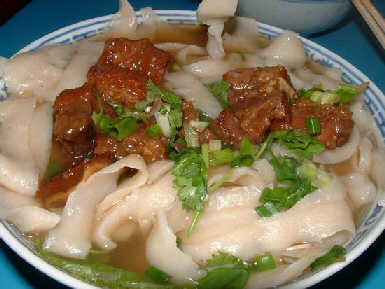
山西人爱吃醋,国内外闻名;山西人爱吃面,举世人皆知。自古以来,晋人主食乃面食,以花样多、品质好、影响大而颇为出名,故海内外早有"世界面食在中国,中国面食在山西"的说法。东到娘子关,西到黄河边,南到风陵渡,北到雁门关,一般家庭妇女都能以面食为原料加工数种面食;许多山西汉子有时在客人面前也会显露一手面食"绝"活。
刀削面是山西最有代表性的面条,堪称天下一绝,已有数百年的历史。
传说,蒙古鞑靼侵占中原后,建立元朝。为防止"汉人"造反起义,将家家户户的金属全部没收,并规定十户用厨刀一把,切菜做饭轮流使用,用后再交回鞑靼保管。
一天中午,一位老婆婆将棒子、高粱面和成面团,让老汉取刀。结果刀被别人取走,老汉只好返回,在出鞑靼的大门时,脚被一块薄铁皮碰了一下,他顺手拣起来揣在怀里。回家后,锅开得直响,全家人等刀切面条吃。可是刀没取回来,老汉急得团团转,忽然想起怀里的铁皮,就取出来说:就用这个铁皮切面吧!老婆一看,铁皮薄而软,嘟喃着说:这样软的东西怎能切面条。老汉气愤地说:"切"不动就"砍"。"砍"字提醒了老婆,她把面团放在一块木板上,左手端起,右手持铁片,站在开水锅边"砍"面,一片片面片落入锅内,煮熟后捞到碗里,浇上卤汁让老汉先吃,老汉边吃边说:"好得很,好得很,以后不用再去取厨刀切面了。"
这样一传十,十传百,传遍了晋中大地。至今,晋中的平遥、介休、汾阳、孝义等县,不论男女都会削面。
后来,"凤阳"出了朱皇帝(朱元璋)统一了中国,建立明朝,这种"砍面"流传于社会小摊贩,又经过多次改革,演变为现在的刀削面。刀削面柔中有硬,软中有韧,浇卤、或炒或凉拌,均有独特风味,如略加山西老陈醋食之尤妙。
传统的操作方法是一手托面,一手拿刀,直接削到开水锅里,其要诀是:"刀不离面,面不离刀,胳膊直硬手平,手端一条线,一棱赶一棱,平刀是扁条,弯刀是三棱。"(中华民俗节庆网 )
怎样制作刀削面刀
山西刀削面
原料配方:面粉500克 凉水200毫升左右。
制作方法:
1.把面粉倒在盆内,加水,和成较硬的面团,充分揉匀揉光后,盖上湿布饧30分钟。
2.把饧好的面揉成粗长条,长度比操作者左小臂略长,面下部用一根细面杖托起。也可把面揉成长方形厚饼状,将细面杖卷在中间偏下的位置,使面团沿面杖方向挺起。
3.操作时站在沸水锅前,左上臂微向前倾,左下臂平伸与手成一直线,托住面团。右手持瓦片刀。瓦片刀是削面专用刀,形状近似瓦片,削面时右手拇指在下,其余四指在上,捏住刀片,刀背凸面朝下,下刀时刀面与面团表面夹角宜小些,刀刃斜向削出,在面团上从右向左一刀挨一刀削,削成的面条成三棱状。长约30厘米。面条背部能够形成一条棱,是因为下一刀总要削在前一刀的一侧刀口上,要求条粗细适中,薄厚均匀,棱正条长。
削好的面条直接削入锅内,随削随煮,水沸后点一次凉水,再沸捞出,过凉水漂一下,即成白坯刀削面。
注:刀剥面可配肉丁炸酱、小炒肉、大炒肉或三鲜大卤吃。其中三鲜大卤比较讲究,有海参、鸡丁、兰片等。大炒肉制法如同坛子肉,清水原汁加料焖制,滋味十分醇厚。小炒肉是用瘦肉或是脊丝过油,溜汁,配玉兰片等制成。肉丁炸酱宜选肥占1/3,瘦占2/3的猪肉100克切小丁,加葱姜炝锅,将肉煸至八成熟,倒入100克黄酱,炒至酱呈栗色,起锅盛入小碗中即可上桌拌面吃。
原料配方:面粉500克 凉水200毫升左右。
制作方法:
1.把面粉倒在盆内,加水,和成较硬的面团,充分揉匀揉光后,盖上湿布饧30分钟。
2.把饧好的面揉成粗长条,长度比操作者左小臂略长,面下部用一根细面杖托起。也可把面揉成长方形厚饼状,将细面杖卷在中间偏下的位置,使面团沿面杖方向挺起。
3.操作时站在沸水锅前,左上臂微向前倾,左下臂平伸与手成一直线,托住面团。右手持瓦片刀。瓦片刀是削面专用刀,形状近似瓦片,削面时右手拇指在下,其余四指在上,捏住刀片,刀背凸面朝下,下刀时刀面与面团表面夹角宜小些,刀刃斜向削出,在面团上从右向左一刀挨一刀削,削成的面条成三棱状。长约30厘米。面条背部能够形成一条棱,是因为下一刀总要削在前一刀的一侧刀口上,要求条粗细适中,薄厚均匀,棱正条长。
削好的面条直接削入锅内,随削随煮,水沸后点一次凉水,再沸捞出,过凉水漂一下,即成白坯刀削面。
注:刀剥面可配肉丁炸酱、小炒肉、大炒肉或三鲜大卤吃。其中三鲜大卤比较讲究,有海参、鸡丁、兰片等。大炒肉制法如同坛子肉,清水原汁加料焖制,滋味十分醇厚。小炒肉是用瘦肉或是脊丝过油,溜汁,配玉兰片等制成。肉丁炸酱宜选肥占1/3,瘦占2/3的猪肉100克切小丁,加葱姜炝锅,将肉煸至八成熟,倒入100克黄酱,炒至酱呈栗色,起锅盛入小碗中即可上桌拌面吃。
刀削面的调料(俗称“浇头”或“调和”),小吃店里最常用那种,怎么调制?
一、肉卤:
主料:
熟五花肉片200克,鸡蛋500克。
辅料:
黄花菜20克,木耳10克,鲜腐皮200克,冬笋100克,虾米50克,姜末15克,猪油20克,花椒2克,芽菜100克,酱油20 克,味精、香油、胡椒面、干黄酱、水淀粉各适量,葱段50克,蒜3瓣。
制作方法:
1、黄花菜、木耳泡发在洗干净、加工成小块、段待用;芽菜摘洗干净,熟煮肉加工成薄片;虾米用沸水泡开备用。
2、锅上火加入骨头汤烧开撇去浮末加入上述原料及辅助原料调好味,用水淀粉勾芡将鸡蛋打碎撒到汤里面,点入香油即成卤汁。
二、三鲜卤
主料:
水发海参100克,水发鱿鱼100克,熟鸡肉100克,鸡蛋500克。
辅料:
猪油50克,葱结50克,精盐适量,花椒、蒜瓣、味精、料酒、酱油、姜末各少许。
制作方法:
1、将海参、鱿鱼改刀成小片状,沸水焯过待用,熟鸡肉改刀成小片,葱切段。
2、猪油上火烧热,投入花椒、葱段炸出香味成葱油,去掉葱和花椒待用;将鱿鱼片、海参片、鸡肉片投入锅中略炒,加调味原料调拌均匀取出备用;
3、锅上火放入骨头汤2500克烧开,将海参等物料放入调好口味,用水淀粉勾芡,鸡蛋打散,放入汤中即成三鲜汤卤。
主料:
熟五花肉片200克,鸡蛋500克。
辅料:
黄花菜20克,木耳10克,鲜腐皮200克,冬笋100克,虾米50克,姜末15克,猪油20克,花椒2克,芽菜100克,酱油20 克,味精、香油、胡椒面、干黄酱、水淀粉各适量,葱段50克,蒜3瓣。
制作方法:
1、黄花菜、木耳泡发在洗干净、加工成小块、段待用;芽菜摘洗干净,熟煮肉加工成薄片;虾米用沸水泡开备用。
2、锅上火加入骨头汤烧开撇去浮末加入上述原料及辅助原料调好味,用水淀粉勾芡将鸡蛋打碎撒到汤里面,点入香油即成卤汁。
二、三鲜卤
主料:
水发海参100克,水发鱿鱼100克,熟鸡肉100克,鸡蛋500克。
辅料:
猪油50克,葱结50克,精盐适量,花椒、蒜瓣、味精、料酒、酱油、姜末各少许。
制作方法:
1、将海参、鱿鱼改刀成小片状,沸水焯过待用,熟鸡肉改刀成小片,葱切段。
2、猪油上火烧热,投入花椒、葱段炸出香味成葱油,去掉葱和花椒待用;将鱿鱼片、海参片、鸡肉片投入锅中略炒,加调味原料调拌均匀取出备用;
3、锅上火放入骨头汤2500克烧开,将海参等物料放入调好口味,用水淀粉勾芡,鸡蛋打散,放入汤中即成三鲜汤卤。
大同刀削面卤汤制作方法
一、肉卤:
主料:
熟五花肉片200克,鸡蛋500克。
辅料:
黄花菜20克,木耳10克,鲜腐皮200克,冬笋100克,虾米50克,姜末15克,猪油20克,花椒2克,芽菜100克,酱油20 克,味精、香油、胡椒面、干黄酱、水淀粉各适量,葱段50克,蒜3瓣。
制作方法:
1、黄花菜、木耳泡发在洗干净、加工成小块、段待用;芽菜摘洗干净,熟煮肉加工成薄片;虾米用沸水泡开备用。
2、锅上火加入骨头汤烧开撇去浮末加入上述原料及辅助原料调好味,用水淀粉勾芡将鸡蛋打碎撒到汤里面,点入香油即成卤汁。
二、三鲜卤
主料:
水发海参100克,水发鱿鱼100克,熟鸡肉100克,鸡蛋500克。
辅料:
猪油50克,葱结50克,精盐适量,花椒2克、蒜瓣5瓣、味精5克、料酒25克、酱油50克、姜末5克。
制作方法:
1、将海参、鱿鱼改刀成小片状,沸水焯过待用,熟鸡肉改刀成小片,葱切段。
2、猪油上火烧热,投入花椒、葱段炸出香味成葱油,去掉葱和花椒待用;将鱿鱼片、海参片、鸡肉片投入锅中略炒,加调味原料调拌均匀取出备用;
3、锅上火放入骨头汤2500克烧开,将海参等物料放入调好口味,用水淀粉勾芡,鸡蛋打散,放入汤中即成三鲜汤卤。
三、番茄雪菜卤
主料:
番茄2只 雪菜500克。
辅料:
猪油50克,葱结50克,精盐适量。
制作方法:
1、将番茄切小块,雪菜切末待用。
2、锅上放2500克水,将番茄和雪菜放入其中,并加猪油,烧汤。
3、在锅中放入调味料调好口味,即成番茄雪菜卤。
总之,汤卤的做法千变万化,一条原则就是以咸鲜口为主,这比较符合北方人的口味。
gn921 [手机认证用户] 2009-03-18 13:07:50
一、肉卤:
主料:
熟五花肉片200克,鸡蛋500克。
辅料:
黄花菜20克,木耳10克,鲜腐皮200克,冬笋100克,虾米50克,姜末15克,猪油20克,花椒2克,芽菜100克,酱油20 克,味精、香油、胡椒面、干黄酱、水淀粉各适量,葱段50克,蒜3瓣。
制作方法:
1、黄花菜、木耳泡发在洗干净、加工成小块、段待用;芽菜摘洗干净,熟煮肉加工成薄片;虾米用沸水泡开备用。
2、锅上火加入骨头汤烧开撇去浮末加入上述原料及辅助原料调好味,用水淀粉勾芡将鸡蛋打碎撒到汤里面,点入香油即成卤汁。
二、三鲜卤
主料:
水发海参100克,水发鱿鱼100克,熟鸡肉100克,鸡蛋500克。
辅料:
猪油50克,葱结50克,精盐适量,花椒2克、蒜瓣5瓣、味精5克、料酒25克、酱油50克、姜末5克。
制作方法:
1、将海参、鱿鱼改刀成小片状,沸水焯过待用,熟鸡肉改刀成小片,葱切段。
2、猪油上火烧热,投入花椒、葱段炸出香味成葱油,去掉葱和花椒待用;将鱿鱼片、海参片、鸡肉片投入锅中略炒,加调味原料调拌均匀取出备用;
3、锅上火放入骨头汤2500克烧开,将海参等物料放入调好口味,用水淀粉勾芡,鸡蛋打散,放入汤中即成三鲜汤卤。
三、番茄雪菜卤
主料:
番茄2只 雪菜500克。
辅料:
猪油50克,葱结50克,精盐适量。
制作方法:
1、将番茄切小块,雪菜切末待用。
2、锅上放2500克水,将番茄和雪菜放入其中,并加猪油,烧汤。
3、在锅中放入调味料调好口味,即成番茄雪菜卤。
总之,汤卤的做法千变万化,一条原则就是以咸鲜口为主,这比较符合北方人的口味
alvydos 2009-03-20 18:53:21
绝对正宗的大同削面:
肉:沫肉.分两种,瘦的是肥的三倍,瘦肉要最大块,肥的要最小块锅里倒点色拉油,锅里倒点色拉油,先肥肉的油炼出来炼的稍干些香叶花椒大料白寇肉寇香果这些放的油里炸一下要小火这些东西有一点就够了,别太多。一两颗就行火越小越好炼出香味后,把这些调料都捞出来,放豆瓣蒋一勺左右豆瓣蒋。炒到里面的油都成了红色,满锅都是红色的泡。再把瘦肉放进去炒一会,再放鲜姜,葱,蒜要注意的是葱加蒜的量等于姜这些都切成沫这三种东西按顺序放<姜,葱,蒜>。每放一种就炒十几秒钟。炒后再放料酒,老抽,生抽。还有醋,醋要少味精十克左右,鸡精也要放,比味精多些放好后,再炒一会儿。就放高汤.《骨头汤要清汤》汤是肉的三倍。刚加好汤的时候要先尝汤的咸度。别太咸,那个时候是主要是给肉入味儿,煮汤一开始要大火。水开后,小火。还有最主要的两步,一开始炒的那些香料,按一定比例放在料包里。这个你自己得调放的锅里,人不能走开。。煮一会儿,有两分钟左右,尝一下汤,会出得香味。还有一个汤包《里面放麻椒》豆蒋最好用李锦记的!
大体方面是这样,详细的请加我QQ59059191
主料:
熟五花肉片200克,鸡蛋500克。
辅料:
黄花菜20克,木耳10克,鲜腐皮200克,冬笋100克,虾米50克,姜末15克,猪油20克,花椒2克,芽菜100克,酱油20 克,味精、香油、胡椒面、干黄酱、水淀粉各适量,葱段50克,蒜3瓣。
制作方法:
1、黄花菜、木耳泡发在洗干净、加工成小块、段待用;芽菜摘洗干净,熟煮肉加工成薄片;虾米用沸水泡开备用。
2、锅上火加入骨头汤烧开撇去浮末加入上述原料及辅助原料调好味,用水淀粉勾芡将鸡蛋打碎撒到汤里面,点入香油即成卤汁。
二、三鲜卤
主料:
水发海参100克,水发鱿鱼100克,熟鸡肉100克,鸡蛋500克。
辅料:
猪油50克,葱结50克,精盐适量,花椒2克、蒜瓣5瓣、味精5克、料酒25克、酱油50克、姜末5克。
制作方法:
1、将海参、鱿鱼改刀成小片状,沸水焯过待用,熟鸡肉改刀成小片,葱切段。
2、猪油上火烧热,投入花椒、葱段炸出香味成葱油,去掉葱和花椒待用;将鱿鱼片、海参片、鸡肉片投入锅中略炒,加调味原料调拌均匀取出备用;
3、锅上火放入骨头汤2500克烧开,将海参等物料放入调好口味,用水淀粉勾芡,鸡蛋打散,放入汤中即成三鲜汤卤。
三、番茄雪菜卤
主料:
番茄2只 雪菜500克。
辅料:
猪油50克,葱结50克,精盐适量。
制作方法:
1、将番茄切小块,雪菜切末待用。
2、锅上放2500克水,将番茄和雪菜放入其中,并加猪油,烧汤。
3、在锅中放入调味料调好口味,即成番茄雪菜卤。
总之,汤卤的做法千变万化,一条原则就是以咸鲜口为主,这比较符合北方人的口味。
gn921 [手机认证用户] 2009-03-18 13:07:50
一、肉卤:
主料:
熟五花肉片200克,鸡蛋500克。
辅料:
黄花菜20克,木耳10克,鲜腐皮200克,冬笋100克,虾米50克,姜末15克,猪油20克,花椒2克,芽菜100克,酱油20 克,味精、香油、胡椒面、干黄酱、水淀粉各适量,葱段50克,蒜3瓣。
制作方法:
1、黄花菜、木耳泡发在洗干净、加工成小块、段待用;芽菜摘洗干净,熟煮肉加工成薄片;虾米用沸水泡开备用。
2、锅上火加入骨头汤烧开撇去浮末加入上述原料及辅助原料调好味,用水淀粉勾芡将鸡蛋打碎撒到汤里面,点入香油即成卤汁。
二、三鲜卤
主料:
水发海参100克,水发鱿鱼100克,熟鸡肉100克,鸡蛋500克。
辅料:
猪油50克,葱结50克,精盐适量,花椒2克、蒜瓣5瓣、味精5克、料酒25克、酱油50克、姜末5克。
制作方法:
1、将海参、鱿鱼改刀成小片状,沸水焯过待用,熟鸡肉改刀成小片,葱切段。
2、猪油上火烧热,投入花椒、葱段炸出香味成葱油,去掉葱和花椒待用;将鱿鱼片、海参片、鸡肉片投入锅中略炒,加调味原料调拌均匀取出备用;
3、锅上火放入骨头汤2500克烧开,将海参等物料放入调好口味,用水淀粉勾芡,鸡蛋打散,放入汤中即成三鲜汤卤。
三、番茄雪菜卤
主料:
番茄2只 雪菜500克。
辅料:
猪油50克,葱结50克,精盐适量。
制作方法:
1、将番茄切小块,雪菜切末待用。
2、锅上放2500克水,将番茄和雪菜放入其中,并加猪油,烧汤。
3、在锅中放入调味料调好口味,即成番茄雪菜卤。
总之,汤卤的做法千变万化,一条原则就是以咸鲜口为主,这比较符合北方人的口味
alvydos 2009-03-20 18:53:21
绝对正宗的大同削面:
肉:沫肉.分两种,瘦的是肥的三倍,瘦肉要最大块,肥的要最小块锅里倒点色拉油,锅里倒点色拉油,先肥肉的油炼出来炼的稍干些香叶花椒大料白寇肉寇香果这些放的油里炸一下要小火这些东西有一点就够了,别太多。一两颗就行火越小越好炼出香味后,把这些调料都捞出来,放豆瓣蒋一勺左右豆瓣蒋。炒到里面的油都成了红色,满锅都是红色的泡。再把瘦肉放进去炒一会,再放鲜姜,葱,蒜要注意的是葱加蒜的量等于姜这些都切成沫这三种东西按顺序放<姜,葱,蒜>。每放一种就炒十几秒钟。炒后再放料酒,老抽,生抽。还有醋,醋要少味精十克左右,鸡精也要放,比味精多些放好后,再炒一会儿。就放高汤.《骨头汤要清汤》汤是肉的三倍。刚加好汤的时候要先尝汤的咸度。别太咸,那个时候是主要是给肉入味儿,煮汤一开始要大火。水开后,小火。还有最主要的两步,一开始炒的那些香料,按一定比例放在料包里。这个你自己得调放的锅里,人不能走开。。煮一会儿,有两分钟左右,尝一下汤,会出得香味。还有一个汤包《里面放麻椒》豆蒋最好用李锦记的!
大体方面是这样,详细的请加我QQ59059191
凉拌山西刀削面制作方法
刀削面是山西人民日常喜食的面食,因其风味独特,驰名中外。刀削面全凭刀削,因此得名。用刀削出的面叶,中厚边薄。棱锋分明,形似柳叶;入口外滑内筋,软而不粘,越嚼越香,深受喜食面食者欢迎。它同北京的炸酱面、山东的伊府面、武汉的热干面、四川的担担面,同称为五大面食名品,享有盛誉。
刀削面是山西最有代表性的面条,堪称天下一绝,已有数百年的历史。传说,蒙古鞑靼侵占中原后,建立元朝。为防止 “汉人”造反起义,将家家户户的金属全部没收,并规定十户用厨刀一把,切菜做饭轮流使用,用后再交回鞑靼保管。一天中午,一位老婆婆将棒子、高粱面和成面团,让老汉取刀。结果刀被别人取走,老汉只好返回,在出鞑靼的大门时,脚被一块薄铁皮碰了一下,他顺手拣起来揣在怀里。回家后,锅开得直响,全家人等刀切面条吃。可是刀没取回来,老汉急得团团转,忽然想起怀里的铁皮,就取出来说:就用这个铁皮切面吧!老婆一看,铁皮薄而软,嘟喃着说:这样软的东西怎能切面条。老汉气愤地说:“切”不动就“砍”。“砍”字提醒了老婆,她把面团放在一块木板上,左手端起,右手持铁片,站在开水锅边“砍”面,一片片面片落入锅内,煮熟后捞到碗里,浇上卤汁让老汉先吃,老汉边吃边说:“好得很,好得很,以后不用再去取厨刀切面了。”这样一传十,十传百,传遍了晋中大地。至今,晋中的平遥、介休、汾阳、孝义等县,不论男女都会削面。后来,“凤阳”出了朱皇帝(朱元璋)统一了中国,建立明朝,这种“砍面”流传于社会小摊贩,又经过多次改革,演变为现在的刀削面。刀削面柔中有硬,软中有韧,浇卤、或炒或凉拌,均有独特风味,如略加山西老陈醋食之尤妙。
刀削面与抻面、拨鱼、刀拨面并称为山西四大面食。 清末《素食说略》已有载。传统的操作方法是一手托面,一手拿刀,直接削到开水锅里。刀削面里手总结的制作刀削面技术要诀是:“刀不离面,面不离刀,胳膊直硬手端平,手眼一条线,一棱赶一棱,平刀时扁条,弯刀是三棱。”要说吃了刀削面是饱了口福,那么观看刀削面则饱了眼福。1958年山西省财资系统在省城太原技术比武时,高手们削出的面条,每条长21厘米左右,厚0.2―0.4厘米。每分钟削118刀,每小时可削2500克面粉揉成的湿面团,看得人们眼花缭乱,赞不绝口。有顺口溜赞曰:“一叶落锅一叶飘,一叶离面又出刀,银鱼落水翻白浪,柳叶乘风下树梢。”1983年5月,日本国明星食品株式会社社员八原昌元先生专程来太原拍摄面食制作电视片时,参观了晋阳饭店、太原面食店的师傅们的精湛技术表演后说:“世界面食在中国,中国面食在山西,太原不愧是面食的故乡。”
刀削面对和面的技术要求较严,水、面的比例,要求准确,一般是一斤面三两水,打成面穗,再揉成面团,然后用湿布蒙住,饧半小时后再揉,直到揉匀、揉软、揉光。如果揉面功夫不到,削时容易粘刀、断条,现在在全国各地做刀削面的,大多采用劲面王的制面工艺,这样做出的面穗,一出面多,二是面劲道。另外刀削面之妙妙在刀功。刀,一般不使用菜刀,要从特制的弧形削刀。操作时左手托住揉好的面团,右手持刀,手腕要灵,出力要平,用力要匀,对着汤锅,嚓、嚓、嚓,一刀赶一刀,削出的面叶儿,一叶连一叶,恰似流星赶月,在空中划出一道弧形白线,面叶落入汤锅,汤滚面翻,又象银鱼戏水,煞是好看,高明的厨师,每分钟能削二百刀左右,每个面叶的长度,恰好都是六寸。吃面前,能够参观厨师削面,无异于欣赏一次艺术表演。
刀削面的调料(俗称“浇头”或“调和”),也是多种多样的,有番茄酱、肉炸酱、羊肉场、金针木耳鸡蛋打卤等,并配上应时鲜菜,如黄瓜丝、韭菜花、绿豆芽、煮黄豆、青蒜末、辣椒面等,再滴上点老陈醋,十分可口。
一般地说,刀削面是面条的一种,适合用各种浇头做卤,但是根据人们的习惯,刀削面一般用汤汁比较多的卤较为合适,现将山西的三种卤汁的做法录写如下,以便于你来参考:
一、肉卤:
主料:
熟五花肉片200克,鸡蛋500克。
辅料:
黄花菜20克,木耳10克,鲜腐皮200克,冬笋100克,虾米50克,姜末15克,猪油20克,花椒2克,芽菜100克,酱油20 克,味精、香油、胡椒面、干黄酱、水淀粉各适量,葱段50克,蒜3瓣。
制作方法:
1、黄花菜、木耳泡发在洗干净、加工成小块、段待用;芽菜摘洗干净,熟煮肉加工成薄片;虾米用沸水泡开备用。
2、锅上火加入骨头汤烧开撇去浮末加入上述原料及辅助原料调好味,用水淀粉勾芡将鸡蛋打碎撒到汤里面,点入香油即成卤汁。
二、三鲜卤
主料:
水发海参100克,水发鱿鱼100克,熟鸡肉100克,鸡蛋500克。
辅料:
猪油50克,葱结50克,精盐适量,花椒2克、蒜瓣5瓣、味精5克、料酒25克、酱油50克、姜末5克。
制作方法:
1、将海参、鱿鱼改刀成小片状,沸水焯过待用,熟鸡肉改刀成小片,葱切段。
2、猪油上火烧热,投入花椒、葱段炸出香味成葱油,去掉葱和花椒待用;将鱿鱼片、海参片、鸡肉片投入锅中略炒,加调味原料调拌均匀取出备用;
3、锅上火放入骨头汤2500克烧开,将海参等物料放入调好口味,用水淀粉勾芡,鸡蛋打散,放入汤中即成三鲜汤卤。
三、番茄雪菜卤
主料:
番茄2只 雪菜500克。
辅料:
猪油50克,葱结50克,精盐适量。
制作方法:
1、将番茄切小块,雪菜切末待用。
2、锅上放2500克水,将番茄和雪菜放入其中,并加猪油,烧汤。
3、在锅中放入调味料调好口味,即成番茄雪菜卤。
总之,汤卤的做法千变万化,一条原则就是以咸鲜口为主,这比较符合北方人的口味。 [编辑本段]食谱营养
小麦面粉:面粉富含蛋白质、碳水化合物、维生素和钙、铁、磷、钾、镁等矿物质,有养心益肾、健脾厚肠、除热止渴的功效,主治脏躁、烦热、消渴、泄痢、痈肿、外伤出血及烫伤等。
猪肉(瘦):猪肉含有丰富的优质蛋白质和必需的脂肪酸,并提供血红素(有机铁)和促进铁吸收的半胱氨酸,能改善缺铁性贫血;具有补肾养血,滋阴润燥的功效;猪精肉相对其它部位的猪肉,其含有丰富优质蛋白,脂肪、胆固醇较少,一般人群均可适量食用。
肥膘肉:肥膘肉中含有多种脂肪酸,能提供极高的热量,并且含有蛋白质、B族维生素、维生素E、维生素A、钙、铁、磷、硒等营养元素;但肥猪肉中胆固醇、脂肪含量都很高,故不宜多食,而肥胖人群及血脂较高者则不宜食用。 [编辑本段]食谱相克
猪肉(瘦):猪肉不宜与乌梅、甘草、鲫鱼、虾、鸽肉、田螺、杏仁、驴肉、羊肝、香菜、甲鱼、菱角、荞麦、鹌鹑肉、牛肉同食。食用猪肉后不宜大量饮茶。
牛奶与瘦肉不合适同食,因为牛奶里含有大量的钙,而瘦肉里则含磷,这两种营养素不能同时吸收,国外医学界称之为磷钙相克。钙磷最佳比为1:1到1:1.5之间,此时互相促进吸收。
刀削面是山西最有代表性的面条,堪称天下一绝,已有数百年的历史。传说,蒙古鞑靼侵占中原后,建立元朝。为防止 “汉人”造反起义,将家家户户的金属全部没收,并规定十户用厨刀一把,切菜做饭轮流使用,用后再交回鞑靼保管。一天中午,一位老婆婆将棒子、高粱面和成面团,让老汉取刀。结果刀被别人取走,老汉只好返回,在出鞑靼的大门时,脚被一块薄铁皮碰了一下,他顺手拣起来揣在怀里。回家后,锅开得直响,全家人等刀切面条吃。可是刀没取回来,老汉急得团团转,忽然想起怀里的铁皮,就取出来说:就用这个铁皮切面吧!老婆一看,铁皮薄而软,嘟喃着说:这样软的东西怎能切面条。老汉气愤地说:“切”不动就“砍”。“砍”字提醒了老婆,她把面团放在一块木板上,左手端起,右手持铁片,站在开水锅边“砍”面,一片片面片落入锅内,煮熟后捞到碗里,浇上卤汁让老汉先吃,老汉边吃边说:“好得很,好得很,以后不用再去取厨刀切面了。”这样一传十,十传百,传遍了晋中大地。至今,晋中的平遥、介休、汾阳、孝义等县,不论男女都会削面。后来,“凤阳”出了朱皇帝(朱元璋)统一了中国,建立明朝,这种“砍面”流传于社会小摊贩,又经过多次改革,演变为现在的刀削面。刀削面柔中有硬,软中有韧,浇卤、或炒或凉拌,均有独特风味,如略加山西老陈醋食之尤妙。
刀削面与抻面、拨鱼、刀拨面并称为山西四大面食。 清末《素食说略》已有载。传统的操作方法是一手托面,一手拿刀,直接削到开水锅里。刀削面里手总结的制作刀削面技术要诀是:“刀不离面,面不离刀,胳膊直硬手端平,手眼一条线,一棱赶一棱,平刀时扁条,弯刀是三棱。”要说吃了刀削面是饱了口福,那么观看刀削面则饱了眼福。1958年山西省财资系统在省城太原技术比武时,高手们削出的面条,每条长21厘米左右,厚0.2―0.4厘米。每分钟削118刀,每小时可削2500克面粉揉成的湿面团,看得人们眼花缭乱,赞不绝口。有顺口溜赞曰:“一叶落锅一叶飘,一叶离面又出刀,银鱼落水翻白浪,柳叶乘风下树梢。”1983年5月,日本国明星食品株式会社社员八原昌元先生专程来太原拍摄面食制作电视片时,参观了晋阳饭店、太原面食店的师傅们的精湛技术表演后说:“世界面食在中国,中国面食在山西,太原不愧是面食的故乡。”
刀削面对和面的技术要求较严,水、面的比例,要求准确,一般是一斤面三两水,打成面穗,再揉成面团,然后用湿布蒙住,饧半小时后再揉,直到揉匀、揉软、揉光。如果揉面功夫不到,削时容易粘刀、断条,现在在全国各地做刀削面的,大多采用劲面王的制面工艺,这样做出的面穗,一出面多,二是面劲道。另外刀削面之妙妙在刀功。刀,一般不使用菜刀,要从特制的弧形削刀。操作时左手托住揉好的面团,右手持刀,手腕要灵,出力要平,用力要匀,对着汤锅,嚓、嚓、嚓,一刀赶一刀,削出的面叶儿,一叶连一叶,恰似流星赶月,在空中划出一道弧形白线,面叶落入汤锅,汤滚面翻,又象银鱼戏水,煞是好看,高明的厨师,每分钟能削二百刀左右,每个面叶的长度,恰好都是六寸。吃面前,能够参观厨师削面,无异于欣赏一次艺术表演。
刀削面的调料(俗称“浇头”或“调和”),也是多种多样的,有番茄酱、肉炸酱、羊肉场、金针木耳鸡蛋打卤等,并配上应时鲜菜,如黄瓜丝、韭菜花、绿豆芽、煮黄豆、青蒜末、辣椒面等,再滴上点老陈醋,十分可口。
一般地说,刀削面是面条的一种,适合用各种浇头做卤,但是根据人们的习惯,刀削面一般用汤汁比较多的卤较为合适,现将山西的三种卤汁的做法录写如下,以便于你来参考:
一、肉卤:
主料:
熟五花肉片200克,鸡蛋500克。
辅料:
黄花菜20克,木耳10克,鲜腐皮200克,冬笋100克,虾米50克,姜末15克,猪油20克,花椒2克,芽菜100克,酱油20 克,味精、香油、胡椒面、干黄酱、水淀粉各适量,葱段50克,蒜3瓣。
制作方法:
1、黄花菜、木耳泡发在洗干净、加工成小块、段待用;芽菜摘洗干净,熟煮肉加工成薄片;虾米用沸水泡开备用。
2、锅上火加入骨头汤烧开撇去浮末加入上述原料及辅助原料调好味,用水淀粉勾芡将鸡蛋打碎撒到汤里面,点入香油即成卤汁。
二、三鲜卤
主料:
水发海参100克,水发鱿鱼100克,熟鸡肉100克,鸡蛋500克。
辅料:
猪油50克,葱结50克,精盐适量,花椒2克、蒜瓣5瓣、味精5克、料酒25克、酱油50克、姜末5克。
制作方法:
1、将海参、鱿鱼改刀成小片状,沸水焯过待用,熟鸡肉改刀成小片,葱切段。
2、猪油上火烧热,投入花椒、葱段炸出香味成葱油,去掉葱和花椒待用;将鱿鱼片、海参片、鸡肉片投入锅中略炒,加调味原料调拌均匀取出备用;
3、锅上火放入骨头汤2500克烧开,将海参等物料放入调好口味,用水淀粉勾芡,鸡蛋打散,放入汤中即成三鲜汤卤。
三、番茄雪菜卤
主料:
番茄2只 雪菜500克。
辅料:
猪油50克,葱结50克,精盐适量。
制作方法:
1、将番茄切小块,雪菜切末待用。
2、锅上放2500克水,将番茄和雪菜放入其中,并加猪油,烧汤。
3、在锅中放入调味料调好口味,即成番茄雪菜卤。
总之,汤卤的做法千变万化,一条原则就是以咸鲜口为主,这比较符合北方人的口味。 [编辑本段]食谱营养
小麦面粉:面粉富含蛋白质、碳水化合物、维生素和钙、铁、磷、钾、镁等矿物质,有养心益肾、健脾厚肠、除热止渴的功效,主治脏躁、烦热、消渴、泄痢、痈肿、外伤出血及烫伤等。
猪肉(瘦):猪肉含有丰富的优质蛋白质和必需的脂肪酸,并提供血红素(有机铁)和促进铁吸收的半胱氨酸,能改善缺铁性贫血;具有补肾养血,滋阴润燥的功效;猪精肉相对其它部位的猪肉,其含有丰富优质蛋白,脂肪、胆固醇较少,一般人群均可适量食用。
肥膘肉:肥膘肉中含有多种脂肪酸,能提供极高的热量,并且含有蛋白质、B族维生素、维生素E、维生素A、钙、铁、磷、硒等营养元素;但肥猪肉中胆固醇、脂肪含量都很高,故不宜多食,而肥胖人群及血脂较高者则不宜食用。 [编辑本段]食谱相克
猪肉(瘦):猪肉不宜与乌梅、甘草、鲫鱼、虾、鸽肉、田螺、杏仁、驴肉、羊肝、香菜、甲鱼、菱角、荞麦、鹌鹑肉、牛肉同食。食用猪肉后不宜大量饮茶。
牛奶与瘦肉不合适同食,因为牛奶里含有大量的钙,而瘦肉里则含磷,这两种营养素不能同时吸收,国外医学界称之为磷钙相克。钙磷最佳比为1:1到1:1.5之间,此时互相促进吸收。
刀削面的制作方法

刀削而对和面的技术要求较严,水、面的比例,要求准确,一般是一斤面三两水,打成面穗,再揉成面团,然后用湿布蒙住,饧半小时后再揉,直到揉匀、揉软、揉光。如果揉面功夫不到,削时容易粘刀、断条。刀削面之妙妙在刀功。刀,一般不使用莱刀,要从特制的弧形削刀。操作时左手托住揉好的面团,右手持刀,手腕要灵,出力要平,用力要匀,对着汤锅,嚓、嚓、嚓,一刀赶一刀,削出的面叶儿,一叶连一叶,恰似流星赶月,在空中划出一道弧形白线,面叶落入汤锅,汤滚面翻,又象银鱼戏水,煞是好看,高明的厨师,每分钟能削二百刀左右,每个面叶的长度,恰好都是六寸。吃面前,能够参观厨师削面,无异于欣赏一次艺术表演。
刀削面的调料(俗称"浇头"或"调和"),也是多种多样的,有番茄酱、肉炸酱、羊肉场、金针木耳鸡蛋打卤等,并配上应时鲜菜,如黄瓜丝、韭菜花、绿豆芽、煮黄豆、青蒜末、辣椒面等,再滴上点老陈醋,十分可口。
一般地说,刀削面是面条的一种,适合用各种浇头做卤,但是根据人们的习惯,刀削面一般用汤汁比较多的卤较为合适,现将山西的两种卤汁的做法录写如下,以便于你来参考:
1、肉卤:
主要原料:
熟五花肉片200克,鸡蛋500克。
辅助原料:
黄花菜20克,木耳10克,鲜腐皮200克,冬笋100克,虾米50克,姜末15克,猪油20克,花椒2克,芽菜100克,酱油20 克,味精、香油、胡椒面、干黄酱、水淀粉各适量,葱段50克,蒜3瓣。
制作方法:
1、黄花菜、木耳泡发在洗干净、加工成小块、段待用;芽菜摘洗干净,熟煮肉加工成薄片;虾米用沸水泡开备用。
2、锅上火加入骨头汤烧开撇去浮末加入上述原料及辅助原料调好味,用水淀粉勾芡将鸡蛋打碎撒到汤里面,点入香油即成卤汁。
2、三鲜卤
主要原料:
水发海参100克,水发鱿鱼100克,熟鸡肉100克,鸡蛋500克。
辅助原料:
猪油50克,葱结50克,精盐适量,花椒、蒜瓣、味精、料酒、酱油、姜末各少许。
制作方法:
1、将海参、鱿鱼改刀成小片状,沸水焯过待用,熟鸡肉改刀成小片,葱切段。
2、猪油上火烧热,投入花椒、葱段炸出香味成葱油,去掉葱和花椒待用;将鱿鱼片、海参片、鸡肉片投入锅中略炒,加调味原料调拌均匀取出备用;
3、锅上火放入骨头汤2500克烧开,将海参等物料放入调好口味,用水淀粉勾芡,鸡蛋打散,放入汤中即成三鲜汤卤。
总之,汤卤的做法千变万化,一条原则就是以咸鲜口为主,这比较符合北方人的口味,山西是刀削面的故乡
Subscribe to:
Comments (Atom)